

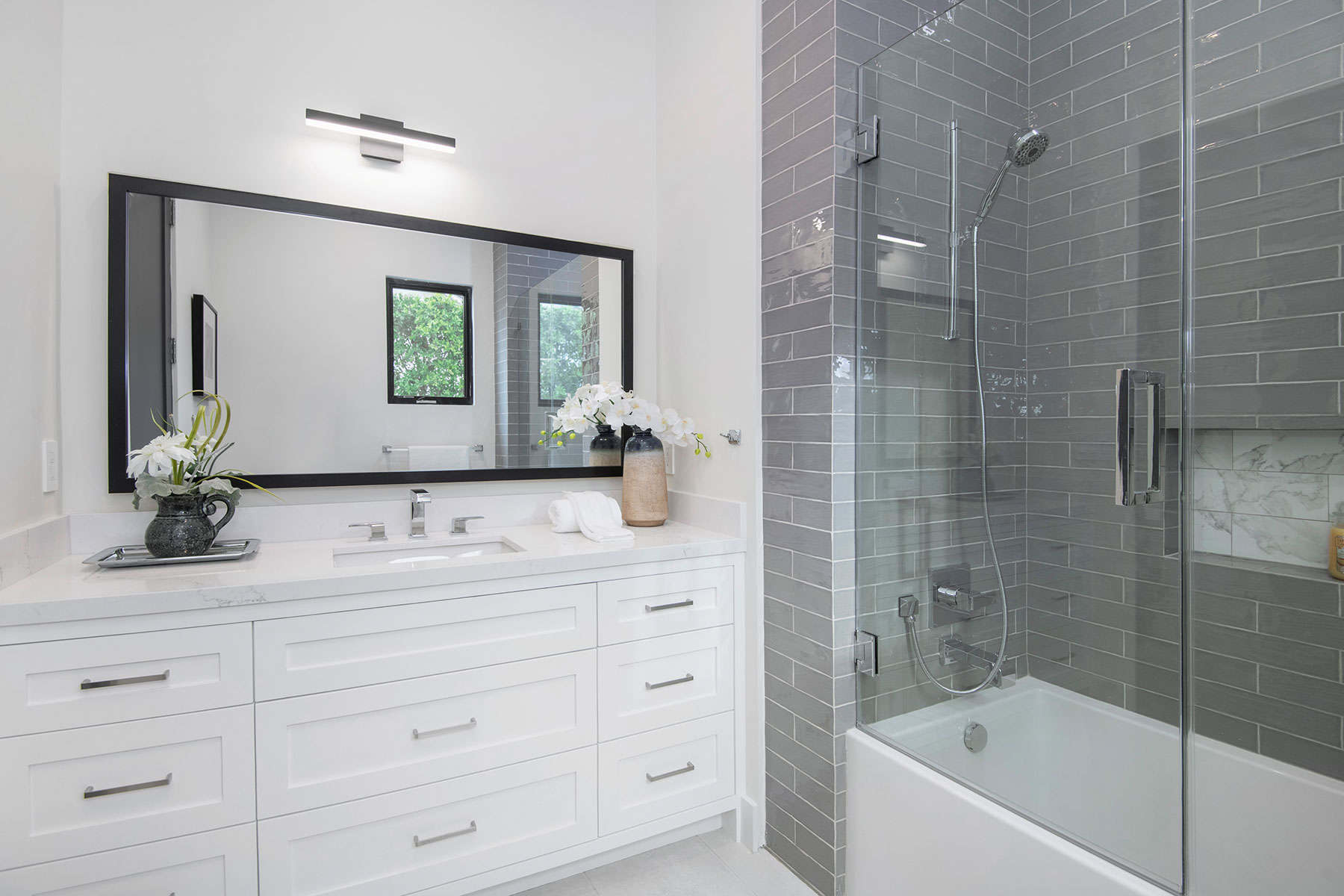
When it comes to bathroom remodeling, the layout is the single most important decision you’ll make. A well-planned layout can improve daily use, increase storage, and add long-term value to your home. Whether you’re updating a small powder room or redesigning a full primary bath, the right layout should balance function, flow, and comfort.
Below are the key factors to consider when choosing the most effective bathroom layout for your home.
1. Understand Your Space
Before choosing any design, start with the basics:
-
The size of the room
-
Where existing plumbing is located
-
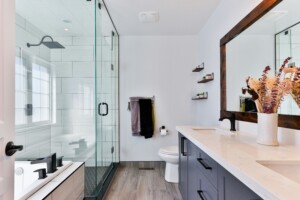
Door and window placement
-
Ceiling height and natural light
Accurate measurements help determine what truly fits your space and what changes may require additional plumbing or electrical work. A professional contractor can map the room and identify opportunities you may not see—from better fixture placement to ways to gain extra storage.
2. Identify How the Bathroom Will Be Used
Not all bathrooms serve the same purpose. Ask yourself:
-
Is this a high-traffic family bathroom?
-
A private primary bath?
-
A simple powder room for guests?
Each use calls for a different layout. A family bathroom may need a double vanity, while a guest bath may prioritize open space and accessibility. Align the layout with your everyday needs to ensure the space works long term.
3. Prioritize the Fixtures
Core fixtures—vanity, toilet, shower, and tub—define the flow of the entire room. When planning placement:
-
Keep the toilet out of direct sight from the doorway when possible.
-
Allow enough space around the vanity for drawers and doors to open comfortably.
-
Consider whether a tub is truly necessary or if a walk-in shower better suits your lifestyle.
Small changes in placement can create a more functional and visually appealing room.
4. Maximize Open Floor Space
A bathroom should feel open and easy to move through—even a small one. Strategic choices can make a major impact:
-
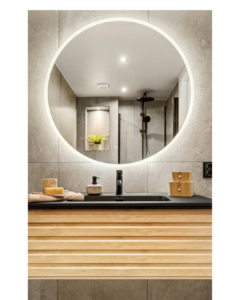
Opt for a floating vanity to create the illusion of more floor space.
-
Choose a curved or sliding shower door instead of a swinging one.
-
Place mirrors opposite windows to reflect light and make the room feel larger.
A good layout should never feel cramped, regardless of the room’s size.
5. Plan for Storage Early
Storage is often overlooked until the end of a remodel, but it should be part of the layout from the beginning. Consider:
-
Built-in shelving or niches
-
Taller vanities for added cabinet space
-
Recessed medicine cabinets
-
Linen closets or stacked storage solutions
Thoughtful storage improves function and keeps the bathroom looking organized and clean.
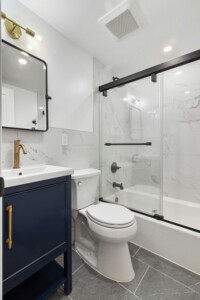
6. Don’t Overlook Accessibility and Safety
A professional layout also factors in long-term safety and convenience:
-
Proper spacing between fixtures
-
Non-slip flooring
-
Walk-in showers with low or no thresholds
-
Grab bars that blend into the design
-
Lighting placed strategically around mirrors and walkways
Even if accessibility isn’t a current need, planning ahead can save on future renovations.
7. Work With a Contractor Who Understands Your Vision

The best bathroom layouts come from collaboration. A contractor experienced in remodeling can help you:
-
Evaluate what’s possible within your space
-
Avoid common mistakes
-
Create a design that meets code and budget requirements
-
Combine aesthetics with practical function
Professional insight ensures your bathroom looks great and works even better.
Final Thoughts
Choosing the right bathroom layout isn’t just about design, it’s about creating a space that feels comfortable, functions smoothly, and adds value to your home. With a clear understanding of your needs and expert planning, you can build a bathroom that serves your household for years to come.
